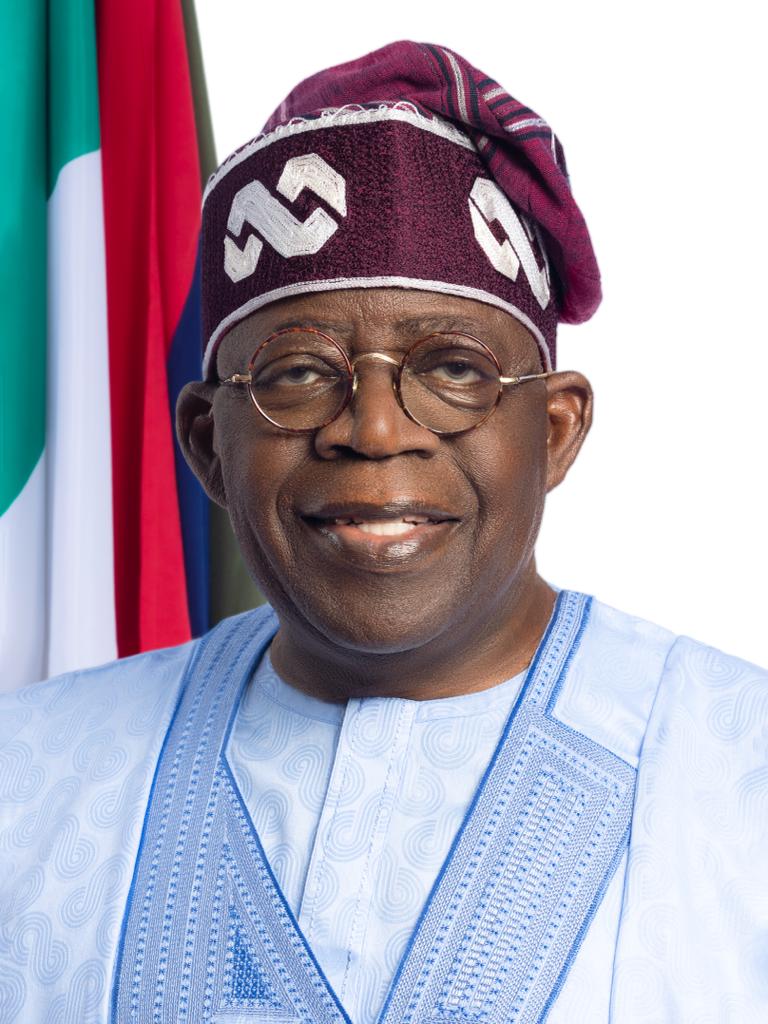
President Bola Tinubu
By John Egie
The Nigeria economy would have collapsed like the economies of Zimbabwe and Venezuela had the Tinubu administration not embarked on the ongoing economic reforms.
[the_ad id=”16914″]
There would have been bigger deficits, more naira printed and the country would have easily over 10billion USD unmet forwards.
The Tax to GDP ratio would be less than 10 per cent and the country would be spending over 100 per cent of her revenues in service debts.
The consequence is that you would hold your money but you will not find pms (petrol) to buy. There would be more poverty and more ways and means.
But by the advent of the economic reforms introduced by the Tinubu administration, Nigeria has cleared more than 7billion USD unmet forex futures and moved from under 4billion USD external reserve to over 20billion USD.
The budget deficit recorded throughout the period of the Buhari administration is declining and the country is now spending more on infrastructure.
[the_ad id=”16918″]
The Tinubu economic reforms policies have enabled Tax to GDP ratio move from 10 per cent to 13.5 per cent in two years and instead of 97 per cent of revenues used to service debts, the country now use less than 50 per cent of its revenues to service debts.
As such, Nigeria no longer print money to spend rather the country has paid down part of the ways and means that the Buhari administration printed.
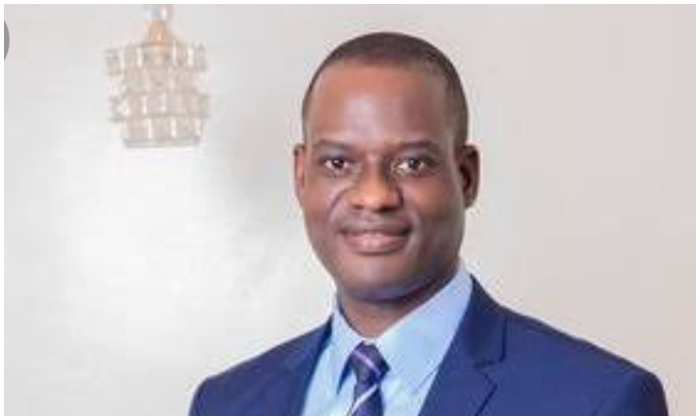
This was disclosed by the Chairman of the Presidential Fiscal Policy and Tax Reforms Committee, Mr Taiwo Oyedele in a paper titled, ‘The New Tax Era: What Nigeria Tax Reforms Means to Individuals and Businesses.
He spoke as a keynote speaker at PwC’s Executive Summit on Nigeria’s Tax Reform held in Lagos on Monday, July 20.
He said Nigeria could have reached a 1billion USD economy by now if previous administrations had begun the ongoing economic reforms ten years ago.
“If some of these reforms that were done in the past two years had been done ten years ago, I tell you authoritatively today, Nigeria will be a 1bn USD economy guaranteed and the price of petrol will be less than N300 per litre because the exchange rate will be less than N300 to the USD”, he said.